
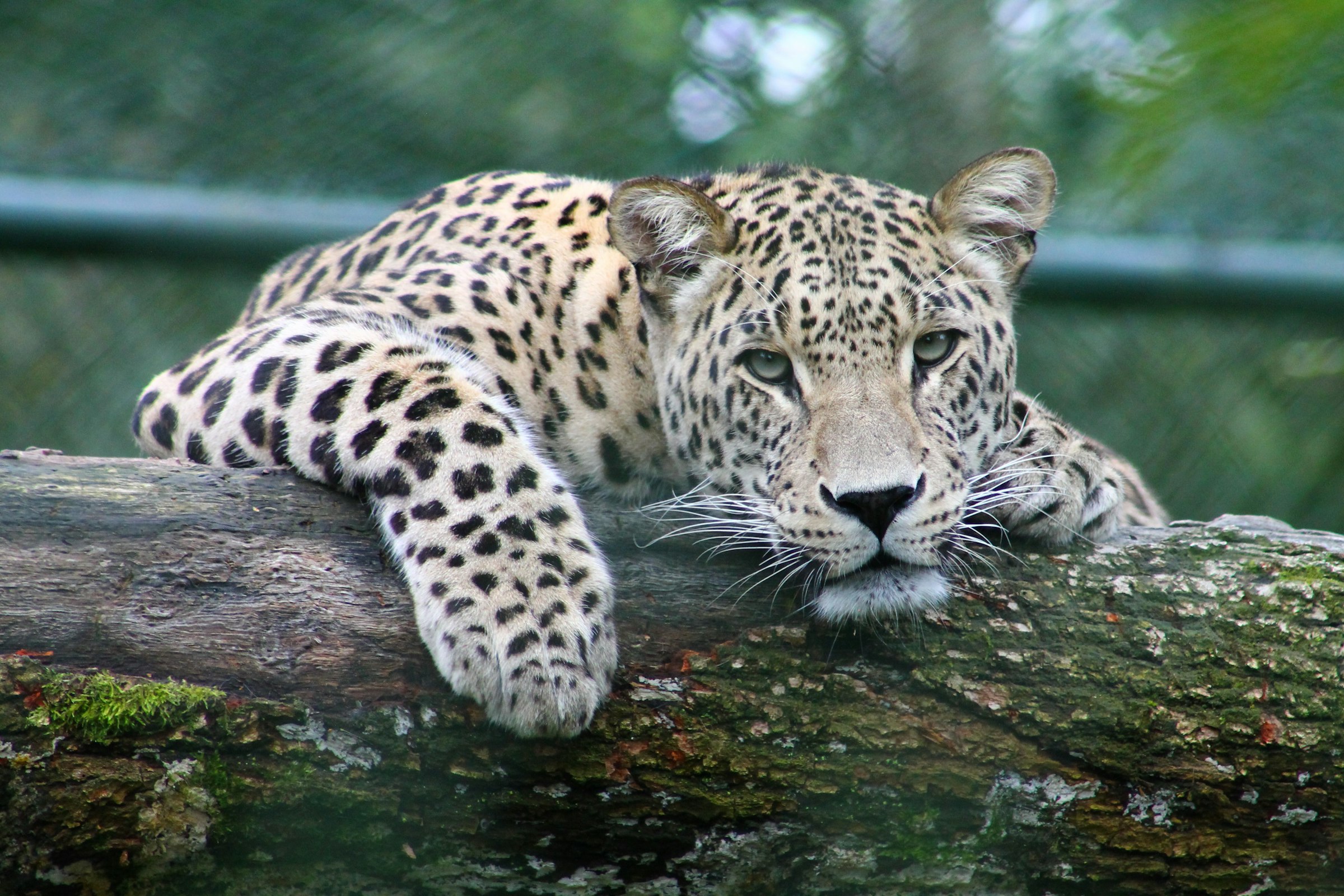
The wild heart of the Aravalli
The Leopards of Jawai
Nowhere else on earth do leopards and people share a landscape so freely, so peacefully, for so long. This is the story of that truce — and how to witness it.
A thousand-year truce
Where the leopard and the herder share a hill
The granite kopjes of Jawai rise from the plains like the backs of sleeping animals, hollowed with caves and crowned with ancient temples. In those caves live leopards — wild, unfenced, unafraid — and around them live the Rabari, a pastoral people who have grazed these hills for a thousand years. By every rule of the modern world the two should be at war. They are not. The leopards take the occasional goat; the Rabari, who hold the cats as sacred and count them as neighbours, let them be. No park wall divides them. It is one of the last places where a great predator and a human community simply share the land — and it is why Jawai feels unlike any safari you have taken.
In the field
The wild, up close
Every drive is led by a naturalist who grew up among these rocks, in small numbers and at a respectful distance.
Leopard safaris at dawn & dusk
Twice a day, in open vehicles, we track the cats across the kopjes at the hours they move. Our guides know the resident leopards by sight — the old male, the females and their shifting litters — and read the alarm calls that give them away.
Birding across wetland & scrub
The Jawai dam and the surrounding thorn forest draw flamingos, cranes, storks, eagles and more than two hundred other species. A quieter thrill between the leopard drives, and a paradise for the patient lens.
Naturalist-led interpretation
A sighting is only half the story. Our naturalists explain the ecology of coexistence — why the leopards stay wild, how the Rabari shape the land, and what it takes to keep this fragile balance intact.
Nights under a dark sky
Far from any city glow, Jawai's night sky is astonishing. After the evening drive, the wilderness reveals a second wild overhead — the Milky Way, low and bright over the rocks.
From the wilderness
The land and its wild
Before you come
On seeing the leopards
What is the best time of year to see the leopards?
Leopards are seen at Jawai throughout the year. The cooler, drier months from October to March offer the most comfortable game drives and the clearest light, while the summer months, though hot, bring sparser cover and often excellent sightings around water. Our team will advise on the season that best suits how you like to travel.
How likely am I to see a leopard?
Jawai has a genuinely high success rate — the resident leopards are habituated to vehicles and our naturalists know their territories intimately. No wild sighting is ever guaranteed, but over a stay of two or three nights, with twice-daily drives, guests very often see leopards, and much else besides.
How close do you get, and is it ethical?
We keep a respectful distance and never crowd or bait an animal. Drives are in small numbers, guides coordinate to avoid pressure on a sighting, and the wellbeing of the leopard always comes before the photograph. The coexistence here is delicate, and we treat it as a privilege, not a right.
What else might I see?
Beyond the leopards, Jawai is home to striped hyena, jackal, jungle cat, chinkara, nilgai, crocodiles at the dam, and a spectacular cast of birds — from flamingos and cranes to eagles and painted storks. The landscape itself, and the Rabari who live within it, are as much a part of the experience as the cats.
Are the drives suitable for families and older guests?
Yes. Drives are in comfortable open vehicles over manageable terrain, and timings and pace can be adapted. Do speak with us in advance about young children or any mobility needs so we can plan the gentlest possible route.
Track the wild
Come and see for yourself
Twice-daily drives, expert naturalists and the rarest of coexistences. Reserve your place among the kopjes.